
How To Have Better Games Using Miniatures
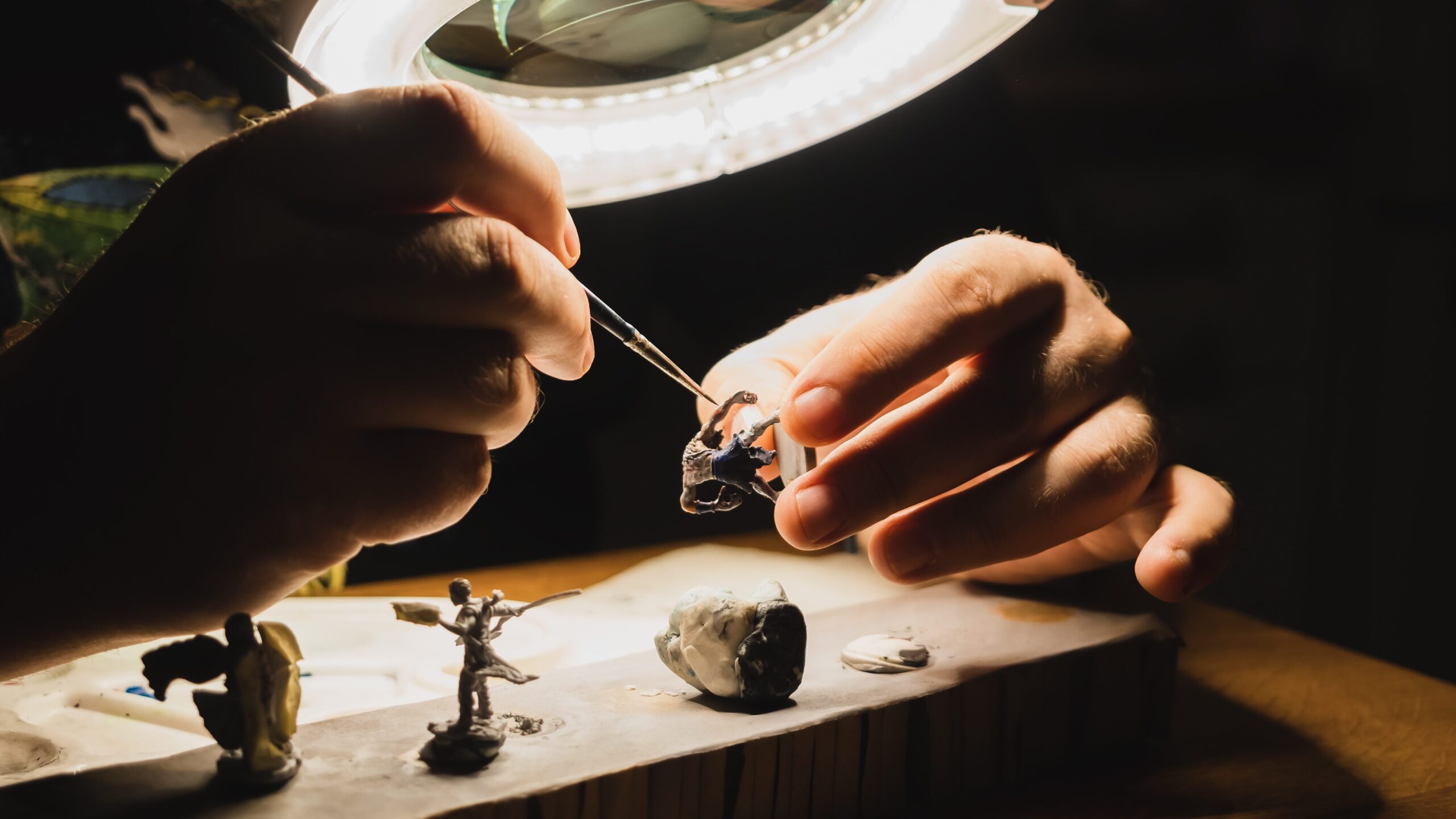
When playing tabletop games you may feel you don’t have the resources to display game states. Here’s how you can improve your visuals and experience without emptying your bank account or dealing with annoying mechanics.
Whether it is epic fantasy or a space-faring adventure, you probably have a group of characters at your gaming table. Characters your players use to experience the game could not have a more important role. They are the vehicle through which your fellows may enter this world you are building.
Why do they need miniatures?
Let’s get a few things out of the way first. You and players may use “miniatures” during gameplay. A miniature, in this case, refers to any item that represents a character or NPC physically. For example, you might line up a string of figurines to show opposing soldiers from an enemy army. In return, the players may control their figures to display the tactics and positioning of their units and characters.
This concept of figures, minis, or other terms like tokens, to show the location of game characters is common in wargames. For those games, the position, facing, and other aspects of unit arrangement can be extremely important to the mechanics of play. This carries over into many other tabletop role-playing games such as Dungeons & Dragons.
Having an easy-to-understand visual aid of where everything and everyone is can be incredibly helpful. Many games can function without any kind of map or visual representation at all. Yet, the helpful nature of miniatures to both you and the players shows itself in at least three ways.
1. Information
The first benefit of physical game pieces is that the game state becomes immediately clear. The player across from you knows where they and their allies are positioned and can see where enemies or other objects reside. Although in some cases the nature of the game field can be confusing it has multiple benefits. Having distinct pieces and maps is more consistent with placement than using theater-of-the-mind.
Another advantage over descriptive play is the ability to convey locations, combat, and other features. When relying on narrative to explain the state of battle or shape of a room each player may conjure a different mental image. Often, this spawns questions, further questions, and confusion. Narrative or theater play can work wonders but it is not suited to every type of game.
2. Identity
When a player connects with the character they’re playing in a game it can enrich their experience. Some people gain this connection through the image they have of the units they play. Whether shown through the fantastic colors and patterns of wargame units, or a custom-designed miniature for your gnome gunslinger, this desire for character representation shows true.
Even if you don’t have specially made art and miniatures just the tactile nature of something to show who and where you are is enough. Some will use small toys, coins, candy, or other objects to display an aspect of their character and make clear their location. If a player creates this token themselves through papercraft or other means it can make for even greater meaning.
3. Interaction
During theater-of-the-mind play a distraction could cause a player to become completely lost in the current game state. Looking at the game field with pieces displaying where everyone is, or maps displaying the layout of the encounter can help bring focus back to the game. This also allows for greater interaction with NPCs and their own player characters through physical interaction.
Watching their enemies fall or moving their game pieces adds to the gaming experience. Directly affecting the game world through physical interaction provides a hard-to-replicate level of enjoyment. There is a unique aspect to play that happens directly in front of you merged with a mind’s eye view of what’s occurring.
What you should use.
Depending on your preference and budget, you may look to fully prepared game minis, or something more custom to your game. Many fantastic options exist for low cost and time investment. Whether you make tokens and symbols yourself or use what you have available anything can function as a character, object, or location.
Exact distances and directions are not required either, allow yourself freedom to use what tools you have in the manner that works for you. The location of creatures can be relative, and simple enemies can be represented by office supplies or coins. Larger or unique combatants can be collectibles or small toys you already possess, many groups online enjoy using building toys for their battlefields.
You can always check back for tips on getting crafty for your games, and for excellent stand-in items to use at your next session. Whatever you try out, discuss with your game table how you can elevate your gaming together. You might discover a truly unique and exciting way to play.




Having waves of attackers make it easier to adjust combat on the fly. Maybe there is a barracks room within…